

Architectural Lighting Design – The Complete Guide for Luxury Projects
Lighting is one of the most powerful tools in architecture. While architects shape space using form, materials and geometry, architectural lighting design brings that space to life. Proper lighting enhances aesthetics, improves functionality, supports human wellbeing and highlights the architectural intent of a building.
Whether designing a luxury residence, high-end hotel, commercial building, museum or heritage monument, lighting plays a crucial role in shaping how a space is experienced.
This comprehensive guide explains the principles, techniques and technologies used in professional architectural lighting design, including lighting layers, lighting control systems, facade lighting strategies and emerging lighting technologies.
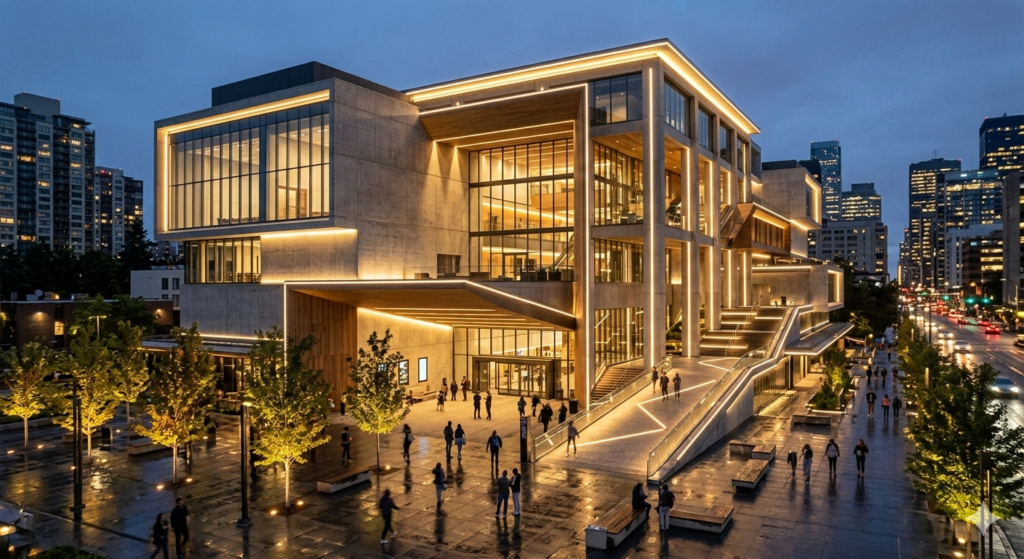
What is Architectural Lighting Design?
Architectural lighting design is the discipline of integrating light into built environments in order to enhance architecture, create ambience and improve usability.
Unlike basic illumination, architectural lighting focuses on:
- visual comfort
- spatial perception
- highlighting architectural features
- energy efficiency
- lighting automation and controls
Professional lighting designers work closely with architects and interior designers to develop lighting concepts that align with the architectural narrative of a project.
Lighting design is especially critical in luxury residential projects, premium hospitality spaces, museums, public landmarks and corporate buildings, where lighting contributes directly to the overall user experience.
Why Architectural Lighting Design Matters
Lighting is often underestimated during the design process. However, well-designed lighting can transform a building both visually and functionally.
Enhances Architectural Expression
Architectural lighting highlights textures, materials and geometries, allowing the design language of the building to stand out. Facade lighting, wall washing and grazing techniques can reveal architectural depth that would otherwise remain unnoticed.
Improves Functionality
Lighting determines how effectively spaces can be used. In residential spaces, layered lighting helps create different moods for dining, relaxation and entertainment.
Creates Emotional Atmosphere
Lighting dramatically influences mood and perception. Warm lighting creates comfort and intimacy, while cooler lighting can enhance focus and productivity.
Supports Energy Efficiency
Modern LED technology combined with lighting controls significantly reduces energy consumption. Smart lighting systems also allow buildings to adjust lighting levels based on occupancy or daylight availability.
The Lighting Design Process in Architectural Projects
Professional architectural lighting design follows a structured process that ensures lighting aligns with both aesthetic and functional goals.
1. Concept Development
During the initial design stage, lighting designers collaborate with architects to understand the vision for the building.
Key considerations include:
- architectural form and materials
- spatial hierarchy
- visual focal points
- user experience
The designer develops a conceptual lighting strategy defining how light will interact with the architecture.
2. Lighting Layout Planning
Once the concept is established, designers develop detailed lighting layouts that specify:
- luminaire positions
- beam angles
- light distribution
- lighting layers
Software such as DIALux evo is commonly used to simulate lighting performance and ensure appropriate illumination levels.
External reference:
For detailed information on lighting simulation tools, see the official website of DIALux evo.
3. Fixture Selection
Selecting the right luminaires is essential to achieve the intended lighting effect.
Designers evaluate:
- lumen output
- beam spread
- colour temperature
- glare control
- fixture aesthetics
High-quality architectural lighting fixtures are essential for luxury residential and hospitality projects.
4. Lighting Control Strategy
Lighting control systems enable flexible and efficient operation of lighting installations.
Advanced lighting systems allow users to:
- create lighting scenes
- dim lights
- automate lighting schedules
- integrate lighting with home automation
Systems based on the global automation standard KNX or solutions from companies like Lutron Electronics are widely used in high-end projects.
You can read more about these technologies in our guide:
Key Lighting Layers in Architectural Design
A successful lighting scheme typically incorporates multiple layers of light.
Ambient Lighting
Ambient lighting provides overall illumination within a space. It ensures basic visibility and visual comfort.
Common sources include:
- recessed ceiling lights
- cove lighting
- indirect lighting systems
Ambient lighting forms the foundation of any lighting design.
Task Lighting
Task lighting is designed for specific activities such as reading, cooking or working.
Examples include:
- desk lamps
- kitchen under-cabinet lighting
- vanity lighting in bathrooms
Task lighting ensures adequate illumination for functional tasks.
Accent Lighting
Accent lighting highlights architectural elements, artwork or decorative features.
Examples include:
- spotlighting artwork
- wall grazing for textured surfaces
- architectural feature lighting
Accent lighting helps create visual drama and hierarchy within a space.
Decorative Lighting
Decorative lighting fixtures such as chandeliers or pendant lights serve both functional and aesthetic purposes.
In luxury residences and hotels, decorative lighting often acts as a focal point within the interior design.
Facade Lighting Design
Facade lighting is a specialised branch of architectural lighting that focuses on illuminating building exteriors.
Facade lighting enhances the nighttime identity of buildings, making them visible landmarks within the urban environment.
Key facade lighting techniques include:
Wall Washing
Wall washing evenly illuminates large vertical surfaces to create a smooth lighting effect.
This technique is commonly used in museums, commercial buildings and luxury hotels.
Wall Grazing
Wall grazing places luminaires close to textured surfaces in order to highlight shadows and surface details.
This technique works particularly well with:
- stone facades
- brick surfaces
- textured architectural panels
Silhouette Lighting
Silhouette lighting illuminates the background of architectural elements, creating a dramatic outline effect.
This method is often used for sculptures, monuments and heritage buildings.
Dynamic Facade Lighting
Modern architectural projects increasingly use dynamic lighting systems capable of changing colour and intensity.
These systems allow buildings to:
- change colours for events
- create media facades
- display animated lighting patterns
Advanced lighting controls from companies such as Schneider Electric enable such programmable lighting installations.
Lighting Design for Luxury Residential Projects
Luxury residential lighting design requires a highly customised approach that balances comfort, aesthetics and automation.
Key aspects include:
Layered Lighting
High-end residences typically use layered lighting to create different moods throughout the day.
Examples include:
- soft ambient lighting for relaxation
- accent lighting to highlight art and architecture
- task lighting for kitchens and workspaces
Smart Lighting Automation
Smart lighting automation allows homeowners to control lighting through smartphones, wall keypads or voice assistants.
Automation systems can manage:
- lighting scenes
- dimming levels
- schedules
- integration with curtains and HVAC systems
Automation platforms based on technologies such as KNX are widely used in luxury villas and high-end apartments.
Outdoor Lighting for Villas
Outdoor lighting enhances both security and aesthetics in residential properties.
Typical outdoor lighting elements include:
- landscape lighting
- pathway lighting
- swimming pool lighting
- facade lighting
Properly designed outdoor lighting transforms gardens and terraces into usable nighttime environments.
For more information see our article:
Human-Centric Lighting in Architecture
Human-centric lighting is an emerging concept that focuses on the biological effects of light on human health.
Research shows that lighting influences:
- circadian rhythms
- sleep patterns
- mood and productivity
Human-centric lighting systems adjust colour temperature and brightness throughout the day to mimic natural daylight cycles.
Leading lighting manufacturers such as Signify are actively developing technologies that support circadian lighting.
Energy Efficient Architectural Lighting
Energy efficiency is a critical consideration in modern building design.
LED technology has dramatically improved lighting efficiency, reducing energy consumption while providing superior performance.
Key strategies for energy-efficient lighting include:
- LED luminaires with high efficacy
- daylight sensors
- occupancy sensors
- automated dimming systems
Lighting control systems can significantly reduce electricity consumption by ensuring lights operate only when needed.
Energy management systems from companies like ABB can integrate lighting with broader building automation systems.
Lighting Simulation and Design Tools
Lighting simulation software allows designers to visualise how light will behave in a space before construction begins.
Using simulation tools, designers can evaluate:
- illumination levels
- glare control
- energy consumption
- daylight interaction
Software such as DIALux evo enables detailed photometric simulations based on manufacturer data.
Lighting simulation ensures that design concepts translate effectively into real-world installations.
Common Architectural Lighting Mistakes
Despite advances in lighting technology, many projects still suffer from poor lighting design.
Common mistakes include:
Over-Lighting
Excessive lighting can create glare and visual discomfort. Balanced lighting is essential for visual harmony.
Poor Fixture Placement
Improper luminaire positioning can result in uneven illumination or unwanted shadows.
Lack of Lighting Controls
Without dimming or scene control, lighting systems lack flexibility and waste energy.
Ignoring Colour Temperature
Inconsistent colour temperature across fixtures can disrupt the visual coherence of a space.
Professional lighting design ensures that such issues are addressed early in the design process.
The Future of Architectural Lighting
Architectural lighting continues to evolve rapidly as new technologies emerge.
Key trends shaping the future of lighting include:
- smart lighting automation
- dynamic facade lighting
- human-centric lighting
- IoT-connected lighting systems
- integration with smart building platforms
Lighting is increasingly becoming part of holistic building automation systems, where lighting interacts with HVAC, shading and energy management systems.
Technologies developed by companies like Schneider Electric are enabling fully integrated smart buildings.
Conclusion
Architectural lighting design plays a critical role in shaping how buildings are experienced both visually and functionally. From luxury residences and hospitality projects to museums and landmark buildings, lighting enhances architecture by revealing form, texture and spatial hierarchy.
A successful lighting design balances aesthetics, functionality, energy efficiency and automation. By combining layered lighting strategies, advanced lighting control systems and modern LED technologies, designers can create spaces that are both visually compelling and highly efficient.
As lighting technology continues to evolve, architectural lighting will increasingly integrate with smart building systems, enabling intelligent environments that adapt dynamically to human needs.
For architects, designers and developers, investing in professional lighting design is essential to unlock the full potential of architectural spaces.
Frequently Asked Questions About Architectural Lighting Design
What is architectural lighting design?
Architectural lighting design is the practice of integrating lighting into the built environment to enhance aesthetics, functionality and spatial experience. It involves selecting appropriate luminaires, planning lighting layouts, and implementing lighting control systems to create visually comfortable and energy-efficient environments.
Why is architectural lighting important in building design?
Architectural lighting enhances the appearance of buildings, improves functionality and creates visual ambience. Well-designed lighting can highlight architectural elements, improve safety and support human comfort in both residential and commercial environments.
What are the main types of architectural lighting?
Architectural lighting typically consists of four layers:
– ambient lighting for overall illumination
– task lighting for specific activities
– accent lighting to highlight features
– decorative lighting to enhance aesthetics
Combining these layers creates a balanced lighting design.
What is facade lighting in architecture?
Facade lighting refers to illuminating the exterior of buildings to enhance architectural features and create nighttime identity. Techniques such as wall washing, grazing and silhouette lighting are commonly used in facade lighting design.
What is the lighting design process in architecture?
The lighting design process typically includes:
– concept development
– lighting layout planning
– fixture selection
– lighting control strategy
– simulation and testing
This ensures the lighting system supports both aesthetics and functionality.
What is smart lighting automation?
Smart lighting automation allows users to control lighting using smartphones, sensors or programmed scenes. Advanced systems can adjust lighting based on occupancy, daylight levels or user preferences.
Many premium projects use automation systems based on standards such as KNX.
How do lighting controls improve energy efficiency?
Lighting controls reduce energy consumption by automatically adjusting lighting levels based on occupancy, time schedules or daylight availability. This prevents unnecessary energy usage and increases the efficiency of lighting systems.
What software is used for lighting design?
Lighting designers use simulation software to analyse illumination levels and visual performance. Tools such as DIALux evo allow designers to create accurate lighting simulations using manufacturer photometric data.
What is the difference between lighting design and interior lighting?
Lighting design focuses on the technical and visual planning of illumination within architecture, while interior lighting mainly addresses decorative aspects within interior design. Architectural lighting design considers building form, spatial hierarchy and energy performance.